
Best Light for Social Media Videos: Boost Engagement
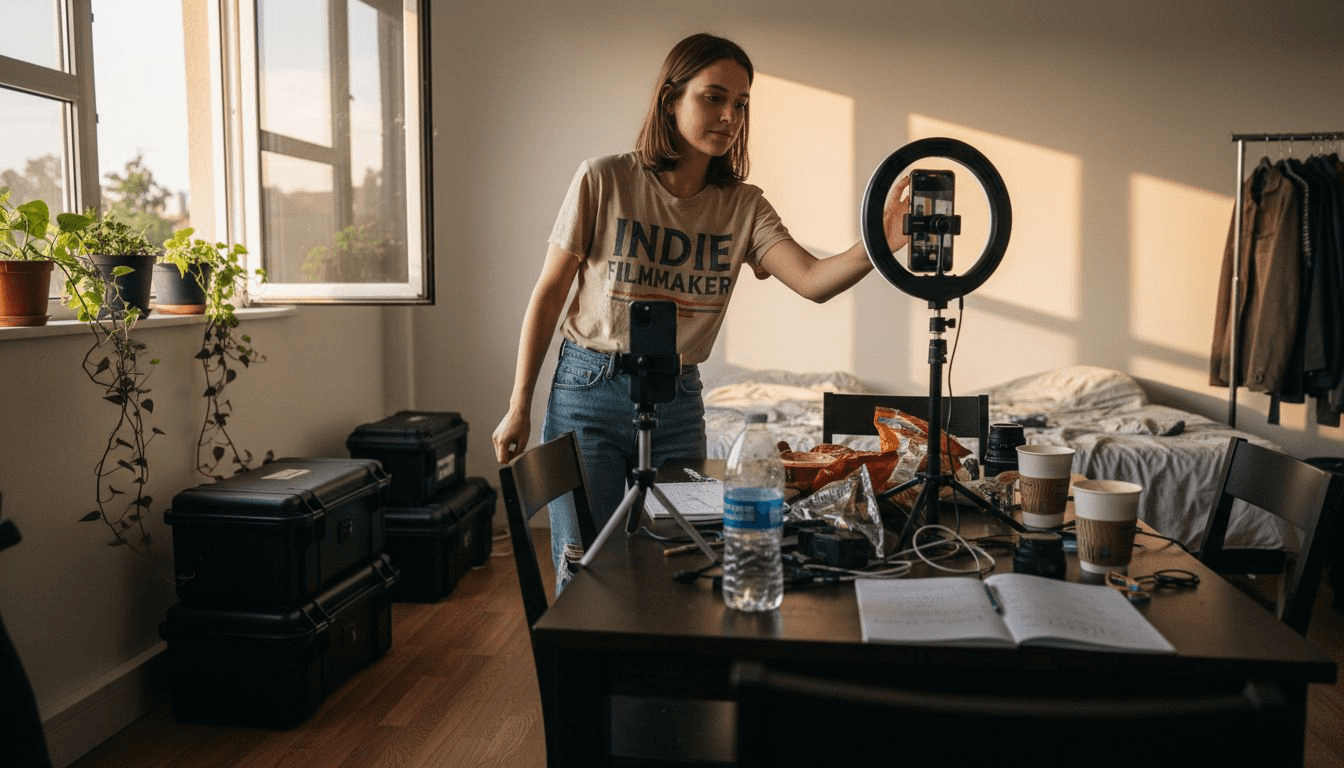
Creating videos for Instagram or TikTok often means battling with harsh shadows, uneven lighting, and washed-out skin tones. For Canadian and American creators, finding affordable lighting solutions can feel overwhelming when quality is non-negotiable. This guide brings clarity by breaking down the essentials of professional video lighting, comparing different types, and showing how budget-friendly LED options can deliver consistent, engaging results without draining your wallet.
Table of Contents
- What Makes Good Lighting For Videos
- Types Of Lighting For Social Content
- Key Features Of Budget-Friendly Lights
- How To Set Up Lights For Social Media
- Mistakes To Avoid In Video Lighting
Key Takeaways
| Point | Details |
|---|---|
| Use Three-Point Lighting | Implementing Key Light, Fill Light, and Back Light enhances depth and professionalism in videos. |
| Understand Light Characteristics | Managing light intensity, color temperature, and glare significantly impacts viewer perception and engagement. |
| Experiment with Lighting Types | Utilizing different lighting types such as Ambient, Key, and Accent can optimize visual storytelling for social media content. |
| Avoid Common Lighting Mistakes | Identify and rectify unbalanced light sources, inconsistent color temperatures, and inadequate coverage to maintain video quality. |
What Makes Good Lighting for Videos
Lighting transforms ordinary video content into professional, engaging visual experiences. Understanding the nuanced art of video illumination goes beyond simply turning on a light - it requires strategic placement, technical knowledge, and creative vision.
Professional videographers rely on three-point lighting techniques to create visually compelling shots. This fundamental approach involves three distinct light sources that work together to enhance depth, minimize harsh shadows, and create dimensionality:
- Key Light: Primary light source positioned at a 45-degree angle
- Fill Light: Softer light balancing shadows from the key light
- Back Light: Creates separation between subject and background
The science behind effective lighting involves understanding critical technical parameters. Lighting fundamentals reveal that successful video illumination depends on managing several key characteristics:
- Light intensity
- Color temperature
- Glare control
- Spatial distribution
Video creators must recognize that lighting isn't just technical - it's emotional. The right lighting can dramatically influence viewer perception, transforming a mundane clip into a captivating visual narrative. Proper illumination communicates mood, draws attention to specific elements, and creates a professional aesthetic that keeps audiences engaged.
The quality of your lighting directly impacts viewer retention. Soft, well-distributed light makes subjects look natural and approachable, while harsh or uneven lighting can distract and potentially turn viewers away. Professional content creators invest time in understanding lighting techniques that make their videos look polished and intentional.
Pro tip: Start with natural light near a window and gradually introduce artificial lighting to understand how different light sources interact and enhance your video quality.
Types of Lighting for Social Content
Social media content creators have an arsenal of lighting options that can dramatically transform video quality and viewer engagement. Lighting types offer unique advantages for different creative scenarios, allowing creators to craft visually compelling narratives through strategic illumination.
The primary lighting categories for social content include:
- Ambient Lighting: Provides overall background illumination
- Key Lighting: Highlights primary subjects and creates focal points
- Fill Lighting: Reduces harsh shadows and balances overall exposure
- Back Lighting: Creates depth and subject separation
- Accent Lighting: Adds dramatic flair and visual interest
Layered lighting design principles reveal that professional creators strategically combine these lighting types to achieve optimal visual results. Understanding how different light sources interact allows content makers to control mood, emphasize details, and create professional-looking videos.
Here’s how the main lighting types compare for social media video creation:
| Lighting Type | Primary Benefit | Typical Use Case | Creative Impact |
|---|---|---|---|
| Key Light | Defines main subject | Interviews, talking head videos | Adds focus, shapes face |
| Fill Light | Softens shadows | Vlogs, makeup tutorials | Creates natural look |
| Back Light | Separates from background | Product reviews, portraits | Adds depth, reduces flatness |
| Accent Light | Adds drama or highlights | Fashion, cinematic shots | Enhances mood, draws attention |
| Ambient Light | Creates overall atmosphere | Lifestyle scenes, room tours | Establishes setting |
Technological advancements have expanded lighting options for social content creators. LED lights, ring lights, and smart lighting systems provide unprecedented flexibility in color temperature, intensity, and portability. Each lighting type serves a specific purpose - from creating soft, flattering illumination for beauty content to generating dramatic shadows for cinematic storytelling.
Creators must also consider the psychological impact of lighting. Different light temperatures and intensities can evoke distinct emotional responses, making lighting a powerful storytelling tool. Warm lights create intimacy, while cool lights suggest professionalism and clarity. The right lighting can transform an ordinary video into a captivating visual experience that keeps viewers engaged.
Pro tip: Experiment with multiple light sources and observe how they interact, taking test footage to understand how different lighting configurations impact your video's overall aesthetic.
Key Features of Budget-Friendly Lights
Social media creators on a tight budget don't have to compromise on lighting quality. Energy-efficient lighting technologies offer affordable solutions that deliver professional-grade illumination without breaking the bank.
Key features of budget-friendly lights include:
- Low Power Consumption: Minimizes electricity costs
- Long Lifespan: Reduces frequent replacement expenses
- Dimmer Compatibility: Provides flexibility in lighting intensity
- Multiple Color Temperatures: Enables diverse visual aesthetics
- Compact Design: Easy to transport and set up
LED lighting solutions have revolutionized affordable video lighting. These innovative lights offer remarkable advantages for content creators, dramatically reducing energy consumption while providing consistent, high-quality illumination. Most LED options consume up to 90% less electricity compared to traditional incandescent bulbs, translating to significant long-term savings.
Budget-friendly lights are not just about cost - they're about performance. Modern affordable lighting systems come equipped with advanced features like instant full brightness, temperature adjustment, and resilience to various environmental conditions. Creators can now access professional-grade lighting tools without investing thousands of dollars in elaborate setups.
The strategic selection of budget-friendly lights involves balancing technical specifications with creative requirements. Factors like color rendering index, light temperature range, and portability become crucial considerations. Smart creators look beyond initial price tags, evaluating long-term value through energy efficiency, durability, and versatility.
Below is a comparison of traditional versus modern budget lighting options:
| Lighting Option | Energy Use | Adjustability | Portability |
|---|---|---|---|
| Incandescent Bulb | High | Limited | Low |
| LED Panel | Very low | High | Excellent |
| Fluorescent Ring Light | Moderate | Moderate | Good |
Pro tip: Invest in a versatile LED light panel with adjustable color temperature and brightness to maximize your lighting flexibility across different video scenarios.
How to Set Up Lights for Social Media
Professional social media content requires strategic lighting that elevates visual storytelling and viewer engagement. Understanding the nuanced art of light placement can transform ordinary videos into compelling, professional-grade content.
The fundamental lighting setup for social media videos involves three critical components:
- Key Light: Primary illumination source positioned at 45-degree angle
- Fill Light: Softens shadows and balances overall exposure
- Back Light: Creates depth and subject separation
Social media video lighting best practices emphasize the importance of consistent, purposeful illumination. Professional creators focus on minimizing harsh shadows, ensuring even facial lighting, and creating a visually appealing environment that keeps viewers engaged.
Light placement requires careful consideration of several technical and aesthetic factors. The key light should typically be positioned at a 45-degree angle to the subject, slightly above eye level. The fill light, set on the opposite side at lower intensity, helps soften shadows and create a natural, balanced look. A subtle back light helps separate the subject from the background, adding depth and visual interest.
Most creators start with natural light sources and supplement with affordable LED panels. Window lighting provides soft, flattering illumination during daytime shoots. When natural light isn't available, LED panels with adjustable color temperatures offer versatile, consistent lighting solutions. Experiment with different angles and intensities to find the most flattering configuration for your specific content style.
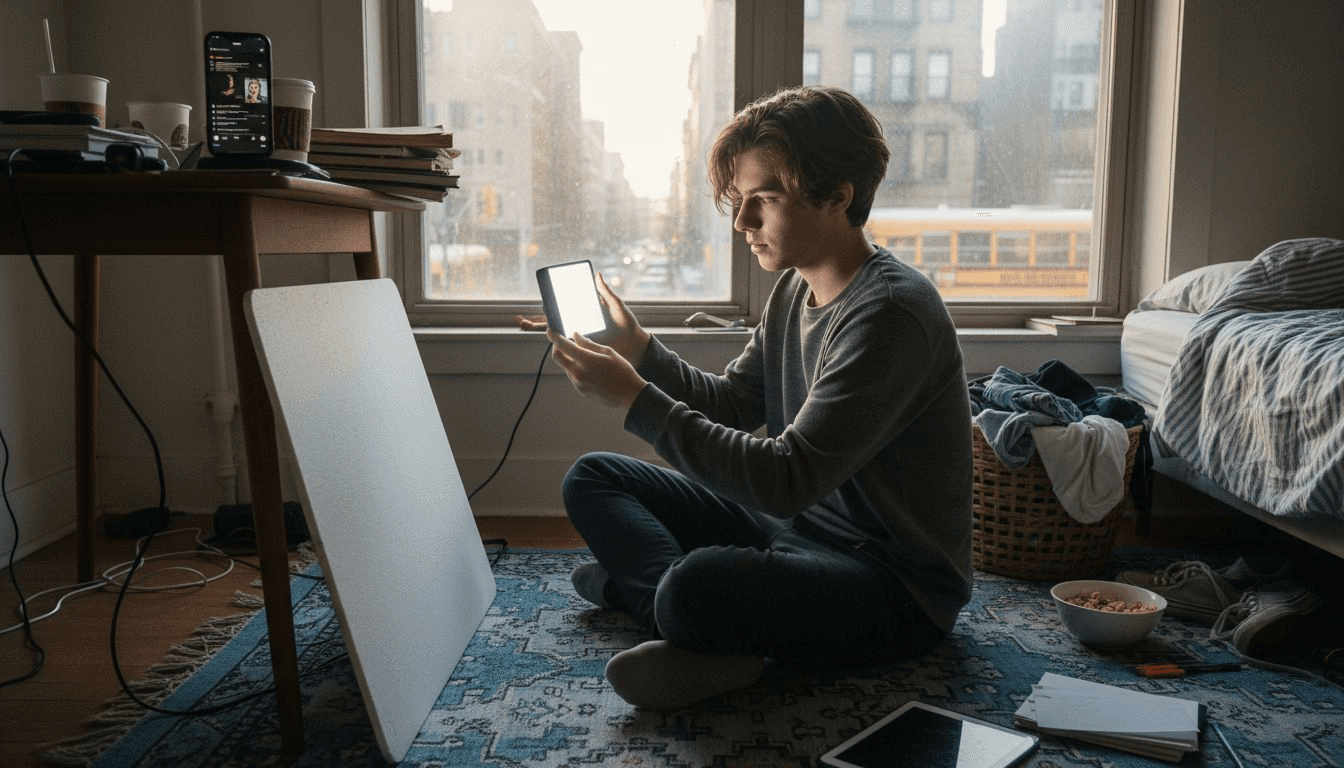
Pro tip: Use white poster board or reflective surfaces as budget-friendly fill lights to bounce and soften existing light sources, creating professional-looking illumination without expensive equipment.
Mistakes to Avoid in Video Lighting
Common video lighting errors can transform potentially engaging content into amateurish, unwatchable footage. Understanding these pitfalls is crucial for content creators seeking to produce professional-quality social media videos.
Most critical lighting mistakes include:
- Unbalanced Light Sources: Creating harsh, unflattering shadows
- Inconsistent Color Temperatures: Producing unnatural skin tones
- Insufficient Light Coverage: Leaving parts of the frame underexposed
- Ignoring Background Lighting: Creating distracting or unprofessional scenes
- Overexposure: Washing out details and losing visual depth
Lighting design principles emphasize the importance of uniform illumination and strategic light placement. Creators often make the mistake of relying solely on overhead or single-source lighting, which creates unflattering shadows and reduces visual depth. Professional-grade videos require a nuanced approach that considers light intensity, angle, and color temperature.
Technical lighting errors can dramatically undermine content quality. Glare, excessive contrast, and uneven illumination strain viewers' eyes and reduce engagement. Many creators overlook the subtle art of light management, failing to recognize how slight adjustments can transform a mediocre video into a visually compelling narrative. Understanding light's psychological impact is key - viewers subconsciously respond to lighting that feels natural and intentional.
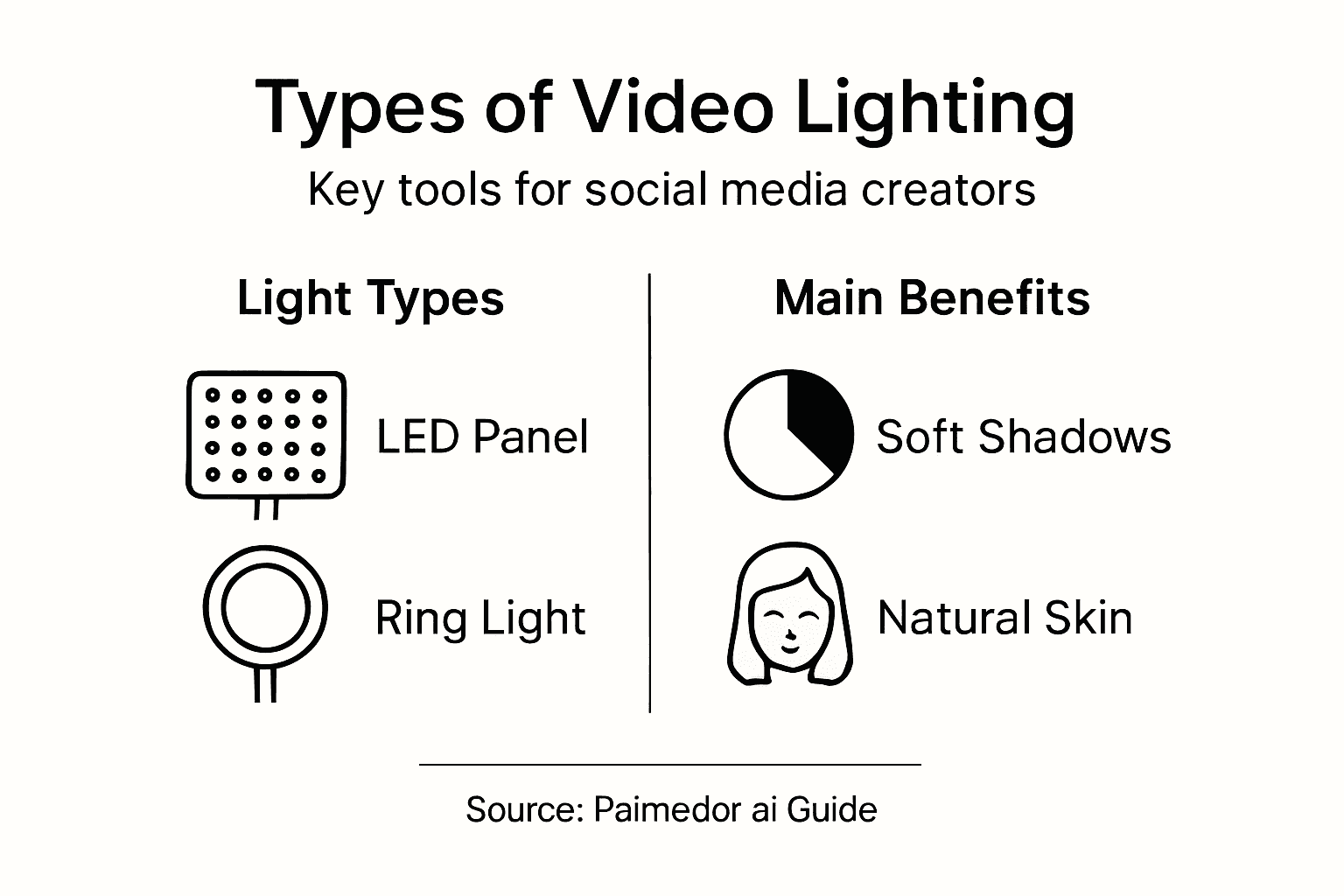
Maintaining consistency is perhaps the most challenging aspect of video lighting. Changing light conditions, whether from natural sources or multiple artificial lights, can create jarring transitions that distract viewers. Professional creators develop techniques to manage light sources, using diffusers, reflectors, and carefully positioned lights to create a seamless, professional look across entire video sequences.
Pro tip: Always do a test recording and review your footage in full screen to identify subtle lighting issues before final production.
Elevate Your Social Media Videos with Expert Lighting and AI Video Creation
Creating the perfect lighting setup is essential for producing engaging and professional social media videos. As the article highlights, managing key light, fill light, and back light strategically creates visually compelling content that captures attention and conveys the right mood. However, mastering these lighting techniques while also handling video editing and production can be overwhelming for many creators.
Palmedor.ai offers an innovative solution by combining your creative vision with powerful AI-driven video tools that streamline the entire content creation process. From script generation to scene management and smart presets, Palmedor.ai takes your ideas and transforms them into cinematic videos that perfectly complement your lighting choices and storytelling style. Whether you want to produce brand films, social clips, or narrative stories, our platform makes it easy to achieve professional-grade results without requiring technical expertise.

Ready to boost your video engagement by pairing expert lighting with seamless AI-powered video creation Start crafting stunning, well-lit social media videos today at Palmedor.ai. Explore how our features support your creative workflow and bring your vision to life with less effort. Visit Palmedor.ai now and take the first step toward captivating visual content that stands out.
Frequently Asked Questions
What are the essential types of lighting for social media videos?
The essential types of lighting for social media videos include ambient lighting, key lighting, fill lighting, back lighting, and accent lighting. These types each serve specific purposes to enhance visual storytelling and viewer engagement.
How can I improve my video lighting on a budget?
To improve your video lighting on a budget, consider using energy-efficient LED lights, which consume less power and have a long lifespan. Additionally, utilize natural light from windows and incorporate reflective surfaces to bounce and soften light without expensive equipment.
What are the common mistakes to avoid in video lighting?
Common mistakes to avoid in video lighting include having unbalanced light sources, inconsistent color temperatures, insufficient light coverage, ignoring background lighting, and overexposure of the footage. These issues can lead to amateurish and unengaging videos.
How does lighting affect the emotional response of viewers?
Lighting significantly influences viewers' emotional responses by setting the mood of the video. Warm lighting can create a sense of intimacy, while cooler lighting suggests professionalism. Properly executed lighting can transform an ordinary video into a captivating experience that keeps audiences engaged.