
Pro Audio Video: Elevating Cinematic Storytelling with AI
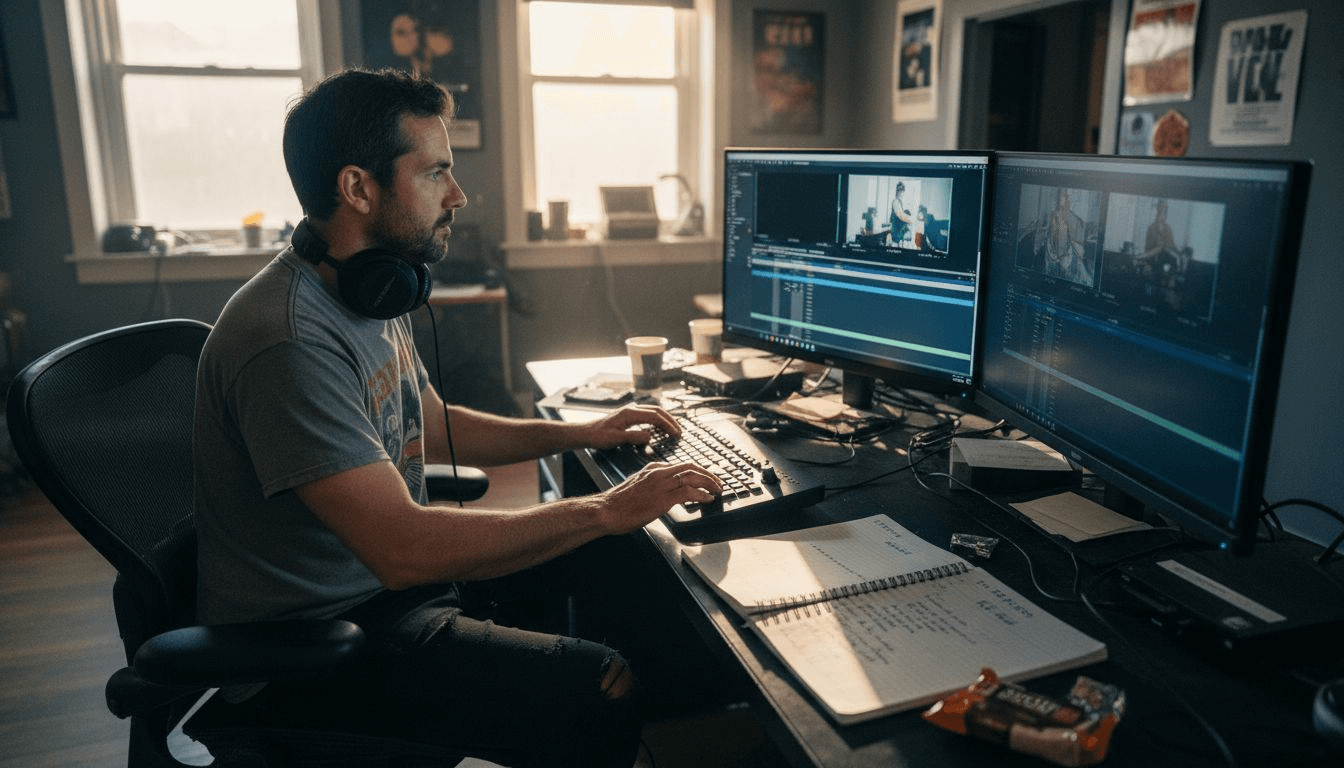
Every creator who dreams of crafting cinematic stories faces the challenge of mastering both technical skills and creative vision. The evolving world of audio and video production demands a solid foundation in audio video fundamentals before advanced tools like artificial intelligence can truly enhance a project. This guide empowers independent filmmakers to understand key production elements, leverage AV technology, and embrace AI workflows for effortless storytelling and richer visual results.
Table of Contents
- Pro Audio Video Basics For Creators
- Key Components Of Pro Audio Video Systems
- AI-Powered Video Workflows And Automation
- Real-World Applications In Filmmaking
- Common Production Challenges And Solutions
Key Takeaways
| Point | Details |
|---|---|
| Fundamental Skills Are Essential | Mastering audio and video production basics, including camera operation and editing workflows, is crucial for independent creators. |
| AI Transforms Video Production | Artificial intelligence is revolutionizing workflows by automating repetitive tasks, enabling creators to focus on high-value decisions. |
| Understanding System Architecture | Familiarity with audiovisual technology and its components, such as input devices and signal processing tools, enhances production quality. |
| Proactive Problem-Solving Is Key | Anticipating challenges and developing effective strategies is vital for successful professional video content creation. |
Pro Audio Video Basics for Creators
Independent creators today need a solid foundation in audio and video production to tell compelling visual stories. While technology continues to evolve, understanding core audio video fundamentals remains crucial for transforming creative ideas into professional content.
Learning video production starts with mastering several essential technical skills. Video production courses help creators develop critical competencies across multiple domains:
- Camera operation techniques
- Professional lighting setups
- Advanced sound design principles
- Digital video editing workflows
- Scriptwriting and storytelling strategies
Audiovisual technology integrates complex systems of input and output devices that work seamlessly together. Audiovisual technology fundamentals require understanding multiple interconnected components like microphones, cameras, speakers, and transmission methods such as HDMI and wireless technologies.
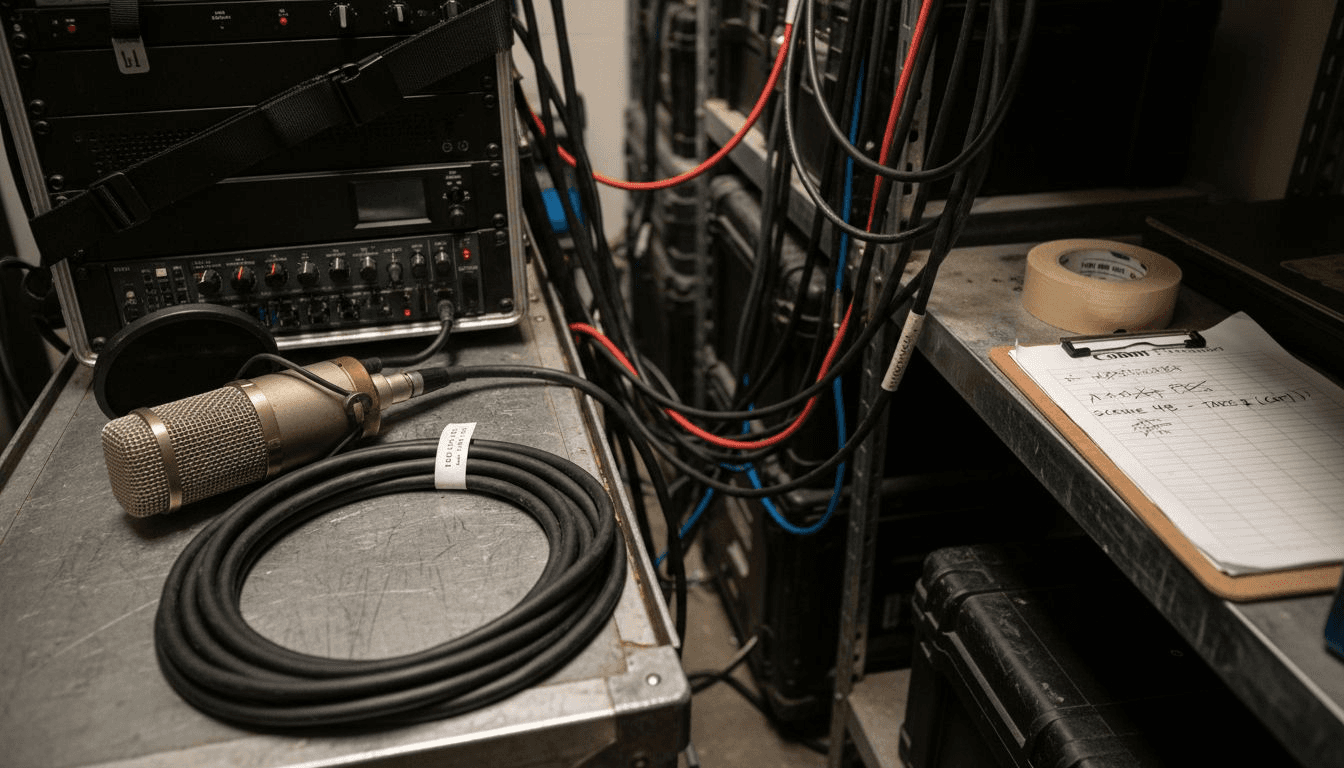
Successful creators must develop a comprehensive toolkit that includes both technical skills and creative vision. This means learning not just equipment operation, but understanding how different audio and video elements combine to create meaningful narrative experiences.
Key Production Components:
- Visual capture devices
- Audio recording equipment
- Signal processing tools
- Post-production software
- Transmission and distribution platforms
Pro tip: Start by investing in fundamental skills rather than expensive equipment - knowledge trumps gear every time.
Key Components of Pro Audio Video Systems
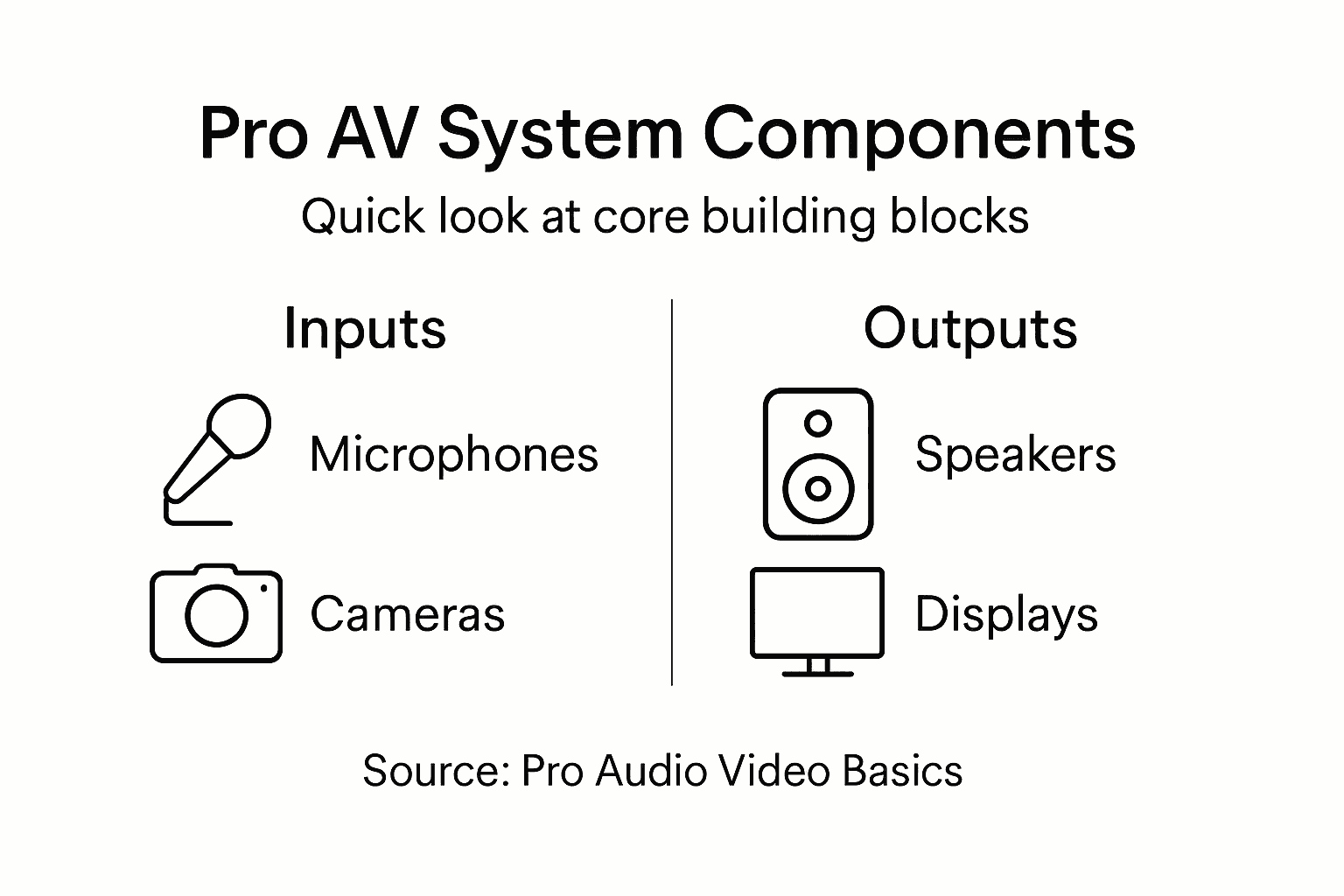
Professional audio video systems represent complex technological ecosystems designed to capture, process, and transmit high-quality audiovisual content. Understanding the core system architecture is critical for creators seeking to build robust production environments that deliver exceptional creative results.
Audio-visual technology fundamentals reveal a sophisticated network of interconnected devices and signal processing components. The primary elements include:
- Input devices (microphones, cameras)
- Signal processing hardware
- Audio amplification systems
- Video display technologies
- Transmission interfaces
- Control and integration platforms
Signal transmission depends critically on standardized audio and video interfaces, which enable seamless communication between different equipment. Professional systems utilize specialized connectors like XLR, HDMI, and RCA to ensure reliable, high-fidelity signal transfer across complex production environments.
Essential Connectivity Standards:
Here's how common audio/video connectors compare in professional systems:
| Connector Type | Typical Use Case | Signal Quality | Compatibility |
|---|---|---|---|
| XLR | Professional microphones | High fidelity audio | Pro audio gear |
| HDMI | Digital video/audio transmission | High definition | TVs, monitors, cameras |
| RCA | Analog audio/video | Standard quality | Legacy devices |
| Optical | Digital audio to receivers | Excellent clarity | Home theaters |
| Thunderbolt | High-speed video/audio/data | Superior performance | Modern computers |
| Wireless | Cable-free signal transmission | Variable quality | Mobile production setups |
- XLR (balanced audio signals)
- HDMI (digital video/audio)
- RCA (analog signal transmission)
- Optical/Thunderbolt interfaces
- Wireless networking protocols
Modern audio video systems increasingly integrate digital technologies that provide unprecedented flexibility and quality. Creators can now leverage software-defined workflows that transform traditional hardware-centric approaches, enabling more dynamic and adaptable production capabilities.
Professional audio video systems are not just collections of equipment, but integrated technological ecosystems designed to transform creative vision into high-quality media.
Pro tip: Invest in understanding signal flow and compatibility before purchasing expensive equipment - compatibility trumps individual component performance.
AI-Powered Video Workflows and Automation
The landscape of video production is undergoing a radical transformation through artificial intelligence integration, enabling creators to streamline complex processes and unlock unprecedented creative potential. Modern video workflows are no longer constrained by traditional manual limitations.
AI workflow automation represents a breakthrough in content creation efficiency, allowing creators to automate repetitive tasks and focus on high-value creative decisions. The key technological enablers include:
- Intelligent task scheduling
- Automated content generation
- Real-time editing assistance
- Dynamic workflow optimization
- Intelligent resource allocation
- Predictive performance analytics
Agentic AI workflows introduce sophisticated multi-agent systems that can autonomously manage complex video production tasks. These advanced systems leverage specialized AI models to handle everything from initial concept development to final render, creating unprecedented levels of production efficiency.
Advanced AI Workflow Capabilities:
- Autonomous script generation
- Intelligent scene composition
- Automatic color grading
- Smart editing recommendations
- Dynamic asset management
AI-powered workflows transform video production from a technically complex process into an intuitive, creative exploration of storytelling potential.
Pro tip: Start small by automating one specific workflow component, then gradually expand your AI integration to build confidence and understand system capabilities.
Real-World Applications in Filmmaking
Filmmaking has entered a transformative era where artificial intelligence serves as a powerful creative collaborator, expanding the boundaries of visual storytelling beyond traditional production constraints. Creators now have unprecedented tools to bring imaginative concepts to life with remarkable precision and efficiency.
Generative AI technologies are revolutionizing film production by introducing novel methods for complex creative challenges. These innovative approaches enable filmmakers to generate and manipulate visual content in ways previously impossible:
- Character design and generation
- Neural rendering techniques
- Synthetic scene composition
- Aesthetic style transfer
- Procedural visual effects
- Dynamic narrative generation
AI filmmaking tools are rapidly evolving across multiple production domains, offering creators sophisticated capabilities for storytelling and technical execution. From script development to final editing, AI provides intelligent assistance that streamlines complex workflows and unlocks creative potential.
Emerging AI Film Production Applications:
- Automated screenplay analysis
- Intelligent shot composition
- Realistic digital character animation
- Sophisticated visual effects generation
- Emotional performance modeling
AI in filmmaking represents not a replacement for human creativity, but an extraordinary amplification of artistic vision and technical capability.
Pro tip: Treat AI as a collaborative tool, not a complete solution - your creative vision remains the most important element in storytelling.
Common Production Challenges and Solutions
Independent creators face numerous complex obstacles when developing professional video content, requiring strategic approaches and innovative problem-solving techniques. Understanding these challenges is the first step toward creating high-quality, compelling visual narratives.
Video production challenges often stem from limited resources, technical complexity, and integration difficulties. Creators must develop comprehensive strategies to navigate these potential roadblocks effectively:
- Resource constraints management
- Technical skill development
- Efficient workflow optimization
- Audio-visual synchronization
- Quality control mechanisms
- Cost-effective production techniques
Project management strategies provide critical frameworks for addressing common production hurdles. Key focus areas include:
- Defining precise project scope
- Implementing robust communication protocols
- Creating flexible resource allocation plans
- Developing comprehensive risk management strategies
- Maintaining proactive stakeholder engagement
Critical Production Challenge Categories:
Below is a summary of strategies for overcoming production challenges:
| Challenge Category | Example Solution | Benefit |
|---|---|---|
| Technical limitations | Upskill with targeted courses | Reduces errors and delays |
| Resource scarcity | Use cost-effective equipment rentals | Maximizes project budget |
| Workflow inefficiencies | Implement workflow automation tools | Saves time in editing |
| Communication breakdowns | Schedule regular team updates | Prevents misalignment |
| Quality control issues | Adopt strict review checklists | Ensures professional results |
- Technical limitations
- Resource scarcity
- Workflow inefficiencies
- Communication breakdowns
- Quality control issues
Successful video production requires a dynamic approach that balances creative vision with practical problem-solving skills.
Pro tip: Create detailed pre-production checklists and contingency plans to anticipate and mitigate potential production challenges before they become critical issues.
Elevate Your Cinematic Storytelling with AI-Powered Video Creation
Bringing professional audio video concepts and AI workflows from theory to reality is now easier than ever. If you struggle with complex production challenges like technical limitations or workflow inefficiencies, Palmedor.ai offers a powerful solution to transform your creative vision into stunning videos without the steep learning curve.

Discover how Palmedor.ai’s smart presets, script generation, and scene management features automate the most time-consuming tasks. Whether you need brand films, social clips, or narrative content, our platform empowers you with intuitive tools that streamline production. Get ready to create professional-grade cinematic storytelling without extensive technical expertise by visiting Palmedor.ai now. Unlock your creative potential and start bringing your ideas to life in minutes.
Frequently Asked Questions
What are the core components of professional audio video systems?
Professional audio video systems consist of several components, including input devices (microphones and cameras), signal processing hardware, audio amplification systems, video display technologies, transmission interfaces, and control platforms. These elements work together to capture, process, and transmit high-quality audiovisual content.
How does AI improve video production workflows?
AI enhances video production workflows by automating repetitive tasks, enabling intelligent task scheduling, real-time editing assistance, and dynamic workflow optimization. This allows creators to focus more on high-value creative decisions and less on tedious technical processes.
What challenges do independent creators face in video production?
Independent creators often encounter challenges such as limited resources, technical complexities, workflow inefficiencies, and quality control issues. Developing strategic approaches and innovative problem-solving techniques is essential for overcoming these obstacles and producing high-quality content.
How can I effectively integrate AI tools into my filmmaking process?
To effectively integrate AI tools into your filmmaking process, start small by automating one specific aspect of your workflow. Gradually expand your AI integration to build confidence and understand system capabilities while maintaining your creative vision as the guiding element in storytelling.